Brentwood or Franklin: Which One Fits You?
Choose Brentwood if you want maximum land, privacy, and the shortest luxury commute into Nashville; choose Franklin if you want a walkable historic downtown, more housing variety, and a lower typical price point. Most $1M+ buyers in Williamson County are genuinely deciding between these two, and the trade-offs are clean.
Here is the honest framing I give buyers on day one:
- You lean Brentwood if: you want an acre or more of land, you work in Nashville, Green Hills, or Maryland Farms, you value quiet residential streets over restaurants within walking distance, and your budget starts around $1M for an older home or $2M+ for newer construction.
- You lean Franklin if: you want to walk or golf-cart to a downtown, you like master-planned amenities (pools, clubhouses, trails woven through the neighborhood), you want new construction options across more price bands, or your budget is under roughly $1M.
The price gap is real. Brentwood's median sale price was $1,444,136 in May 2026, up 16.2% year over year , and a six-month trailing view through June 2026 put the median at $1,320,000 across 461 closings . Franklin's single-family median was approximately $1,050,000 at $342 per square foot as of early July 2026 . You are typically paying a $250K to $400K premium for Brentwood, and what you are buying with it is land and location, not finishes.
For the full picture on the other side of this decision, read our companion guide to living in Franklin, TN.
The One-Acre Standard: Why Brentwood Looks the Way It Does
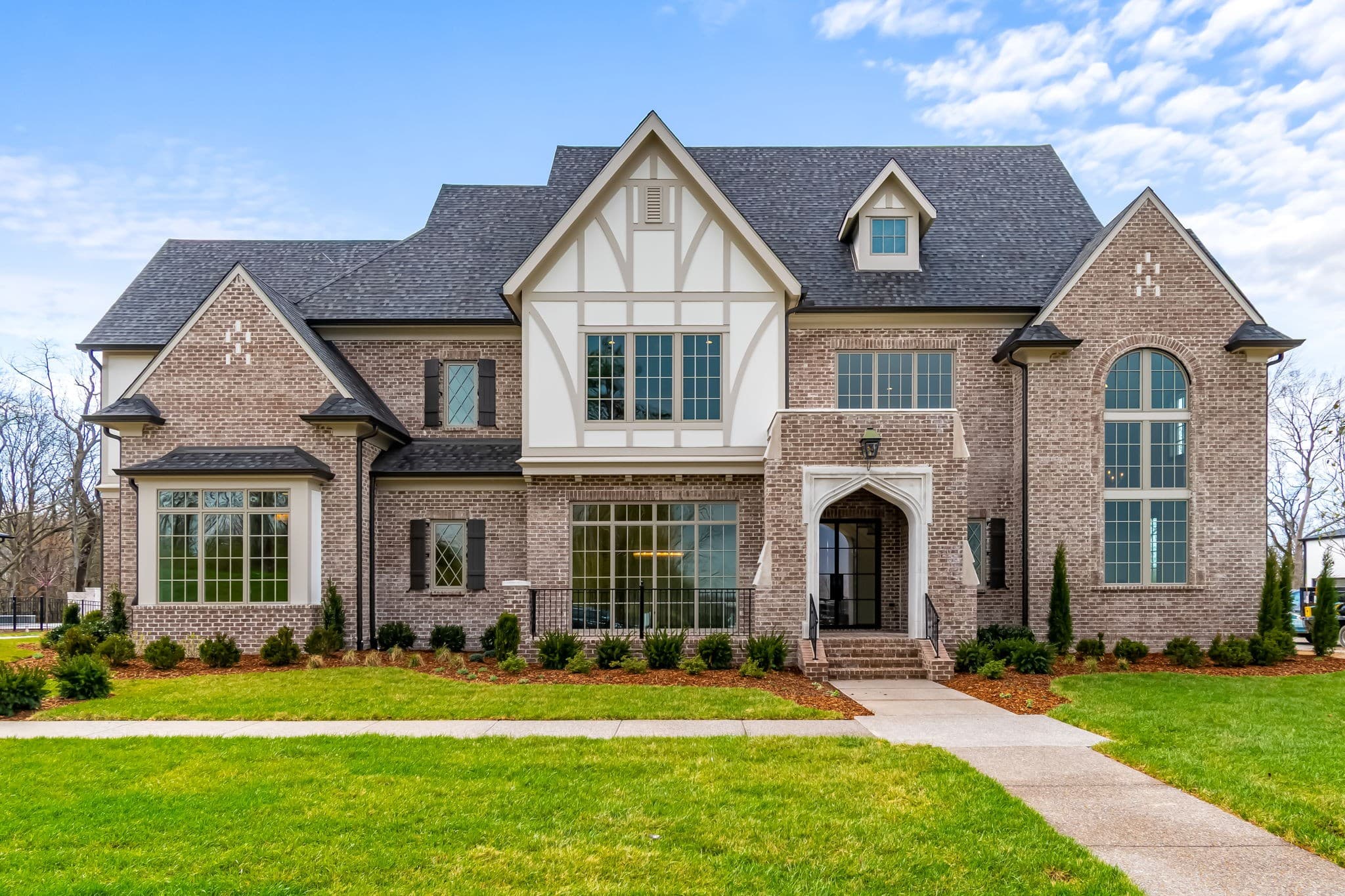
Brentwood's residential development standards are built on a "one acre density" rule: the city allocates a minimum of one acre of land per home, either as an actual one-acre-plus lot or as a smaller lot balanced by permanently preserved open space within the subdivision. This single policy is the reason Brentwood feels like an estate district rather than a subdivision grid.
The city's zoning code breaks down like this :
- R-2 Suburban Residential: the classic Brentwood zoning: detached single-family homes on a minimum one-acre lot. Brenthaven, Meadowlake, River Oaks, and Indian Point are examples.
- R-1 Large Lot Residential: minimum two-acre lots.
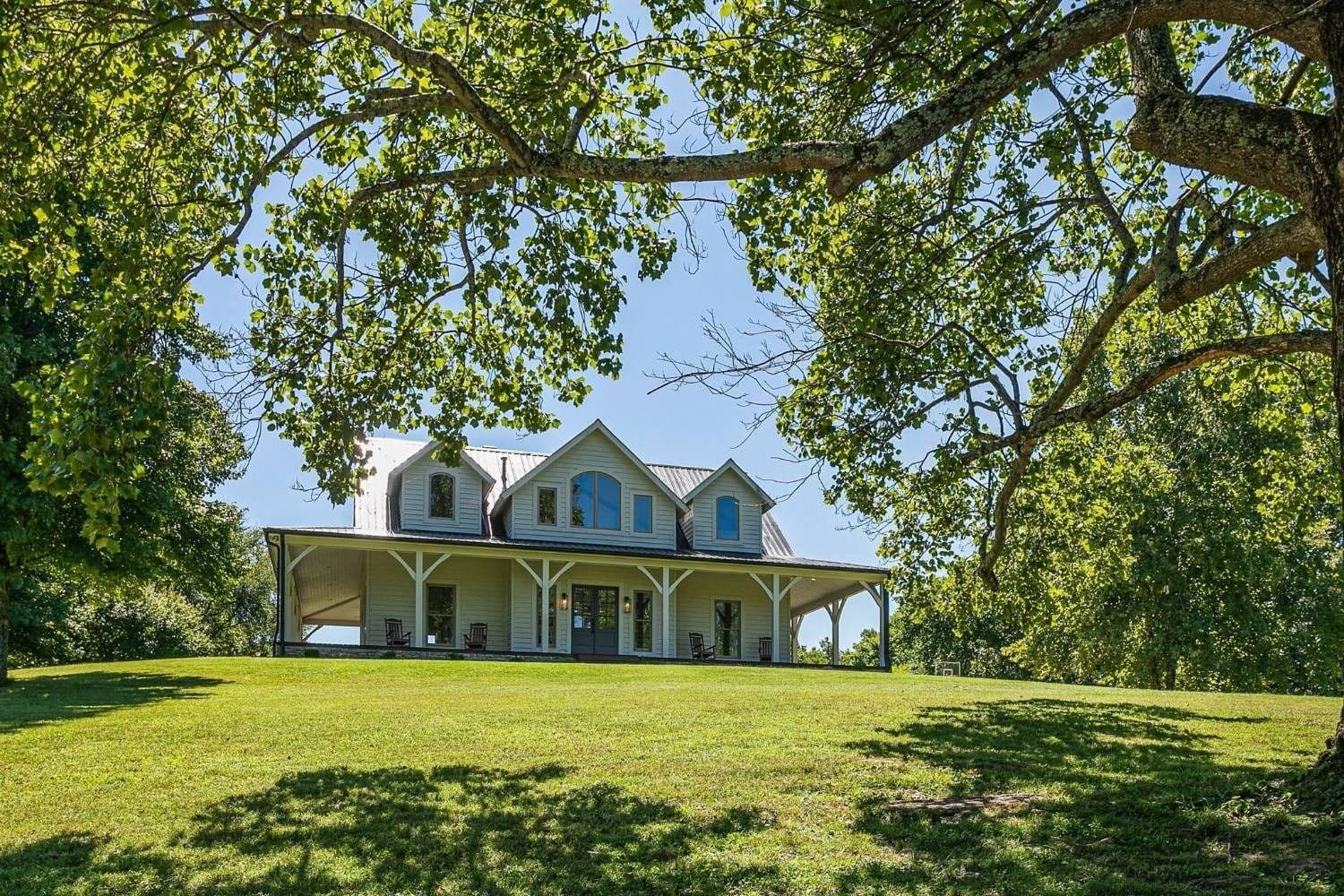
- AR Agricultural Residential: minimum three-acre estate lots, seen along the historic Old Smyrna Road corridor.
- OSRD (Open Space Residential Development): allows individual lots under one acre only if the difference is preserved as permanent open space, so the overall project still nets out at one home per acre. McGavock Farms, Chenoweth, Raintree Forest, Annandale, and Taramore were developed under this framework.
- Hillside Protection Overlay: land above 850 feet in elevation requires minimum three-acre lots with restrictions on grading and tree removal, which is why Brentwood's ridgelines remain wooded instead of terraced with rooftops.
A few practical consequences buyers should understand. First, there is effectively no high-density housing pipeline: the vast majority of Brentwood's land is zoned residential under these standards, so the estate character is structurally protected, not just fashionable. Second, maximum residence height is 52 feet , which keeps even the largest new builds in proportion. Third, the OSRD distinction matters when you tour: two neighborhoods can both be "Brentwood," but one gives you a flat fenced acre while the other gives you a two-thirds-acre lot backing to 40 acres of protected common woodland. Neither is better in the abstract. They live very differently.
Listing photos flatten Brentwood, and that's where buyers get fooled in both directions. Two properties can each say "one acre" on paper, but standing in a backyard that rolls into protected OSRD woodland feels nothing like standing on a flat fenced rectangle, and depending on the buyer, either one can be the dream. This is why I push clients to walk the land on every serious candidate here, not just the house; in this market, the lot is doing a bigger share of the work than almost anywhere else I show.
What Homes Cost in Brentwood
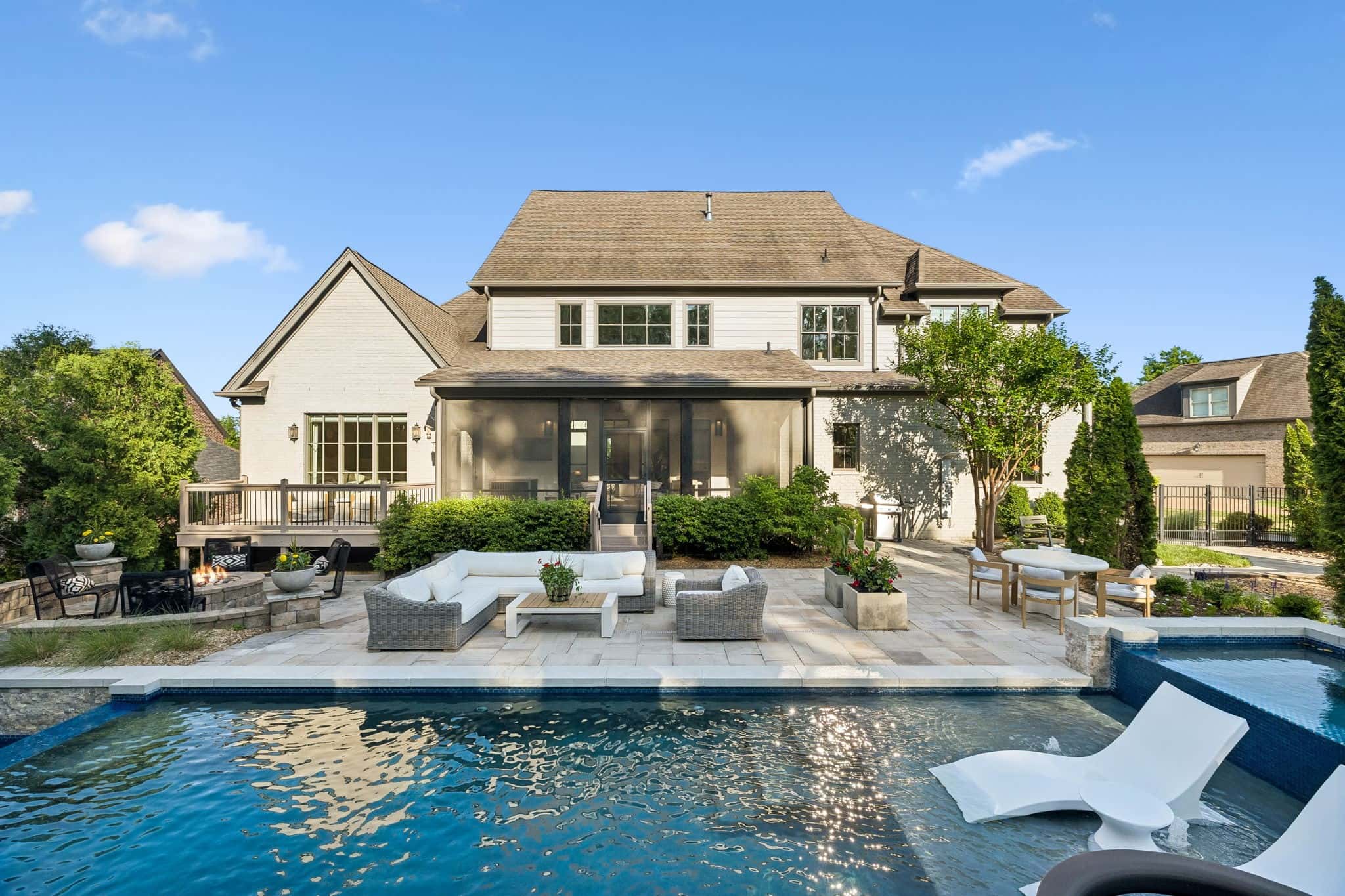
Plan on roughly $900K to $1.3M for an older home on a full acre, $1.3M to $2.5M for the core of the market, $2.5M to $4M for newer luxury construction in the prestige communities, and $4M+ for trophy estates and golf-course property. The citywide median sits around $1.32M to $1.44M as of mid-2026 depending on the measurement window.
The entry band ($900K to $1.3M). This is mostly original 1970s to 1990s construction in established neighborhoods like Brenthaven, which starts around $900K and, notably, has no HOA . These homes trade heavily on land value, which is why this band overlaps almost perfectly with the teardown market covered below.
The prestige and gated communities. These are the addresses that define Brentwood's top tier:
- Governors Club: Brentwood's marquee gated community: 438 home sites across roughly 600 acres around an 18-hole Arnold Palmer championship golf course, with a 24/7 staffed gate on Concord Road. As of July 2026, 15 active listings averaged $2,819,452, ranging from about $1.47M to $4.87M. HOA dues run approximately $440 to $462 per month depending on section, covering common areas and the staffed gate; golf and club membership are separate.
- Annandale: a gated OSRD community off Wilson Pike with a trailing 36-month median sale price of roughly $2.8M across 22 closings (range $1.65M to $4.83M); recent active listings have averaged about $3.45M.
- Witherspoon: Brentwood's newest large luxury enclave, built in phased sections from 2018 to 2025, with 45 closings at a weighted median around $3.42M and active inventory spanning roughly $2.49M to $6.75M.
- Princeton Hills: established gated luxury with a median around $2.85M and roughly $437 per square foot over the trailing 36 months.
Showings inside these gates tend to follow a pattern that surprises even me a little. Buyers assume the golf course will be the headline, but once we're through the gate, the questions shift almost immediately to the practical layer: what the dues actually cover, how club membership works separately from the HOA, what it's like living behind a staffed entrance day to day. The gate and the fairways get people in the car; the lifestyle math is what they're really shopping, and it's worth having those answers before the tour, not after.
If these numbers stretch the budget but the land-and-schools formula still appeals, the smartest adjacent play is usually Nolensville, the value alternative next door, where newer construction delivers more house per dollar a few minutes east.
And if you already own in Brentwood, the mix-shift in this market (medians swinging $100K+ depending on which communities closed that quarter) means online estimates miss badly here. A professional home valuation grounded in your actual lot, zoning, and comps is worth getting before you make any move.
The Commute Advantage
Brentwood is the closest luxury suburb to Nashville: about 10.8 miles up I-65 to downtown, roughly 18 minutes in normal traffic and 25 to 40 minutes in the morning rush. No other one-acre-lot community in the region gets you to a downtown office faster.
The commute math, destination by destination:
- Downtown Nashville: 15 to 20 minutes off-peak, 25 to 40 minutes at peak via I-65 North; Franklin Road (US-31) is the classic backup when the interstate stacks up.
- Green Hills: about 8 miles door to door , typically a short drive via Hillsboro Pike or Franklin Road, close enough that many Brentwood households treat Green Hills as their default shopping and dining district.
- Cool Springs: immediately south along I-65, anchored by major corporate campuses in the corridor between Brentwood and Franklin. Brentwood residents commuting to Cool Springs drive against the dominant traffic flow, which is one of the quietest advantages of living here.
That last point deserves emphasis: Brentwood sits between the region's two biggest job centers. Whichever direction your career points, a hospital system downtown, a healthcare headquarters in Cool Springs, a practice in Green Hills, you are 10 to 20 minutes from it, and at least one of those drives will be a reverse commute.
The Brentwood-or-Franklin decision comes up in a large share of my buyer consultations, and when Brentwood wins, the tipping point is rarely the house itself. It's usually this exact geography: someone with a downtown or Green Hills commute does the math on ten extra minutes each way, every day, for years, and suddenly the acre lot fifteen minutes closer is worth the trade against Franklin's Main Street. My rule for clients on the fence is to drive both commutes at their real hour before writing anything, because that drive settles the debate more often than any showing does.
Parks, Amenities, and Daily Life
Brentwood has no traditional downtown. Daily life runs through an exceptional parks system, the Maryland Farms business district, and open-air retail centers along Franklin Road. If you need a town square, Franklin's is 15 minutes south; what Brentwood offers instead is some of the best public green space in Middle Tennessee.
Crockett Park is the recreation hub: more than 160 acres with lighted tennis courts, ball fields, multi-purpose fields, paved walking and biking trails, a disc golf course, a large playground, and the Eddy Arnold Amphitheater, which hosts the city's summer concert series.
Marcella Vivrette Smith Park is the showpiece. The city acquired 320 acres of the historic Ravenswood Farm in 2010 and another 80 acres in 2013, and the park opened in November 2014 as Brentwood's largest: roughly 400 acres of hills, forest, and meadow with more than six miles of rugged hiking trails, a mountain bike trail system that opened in April 2024, and the 1825 Ravenswood Mansion, now a city-owned event venue. It is the kind of park most cities would market as a state natural area.
Maryland Farms is Brentwood's office and fitness core: one of the state's most established suburban business parks, zoned commercial-office and home to the Maryland Farms YMCA at 5101 Maryland Way, a regional standout with indoor and outdoor tennis, pools, and an indoor track. Thousands of residents both work and work out within this one square mile.
Retail clusters in open-air centers rather than a main street: Hill Center Brentwood and CityPark Brentwood along Franklin Road, plus grocery anchors like the Publix at the Marketplace at Maryland Farms. It is convenient, upscale, and unapologetically drive-to: a fair trade, most residents would say, for streets where the loudest thing at night is the crickets.
Schools Context for Brentwood Buyers
Homes inside the city of Brentwood are served by Williamson County Schools, with two public high school zones, Brentwood High School and Ravenwood High School, and a set of elementary and middle feeders determined strictly by address. This section covers zoning mechanics only; school fit is a personal decision best made through tours and district resources.
The factual landscape:
- Brentwood High School (5304 Murray Lane) opened in 1982 and serves the western side of the city.
- Ravenwood High School (1724 Wilson Pike) opened in 2002 and serves the eastern side.
- Feeder schools include Scales, Lipscomb, Crockett, Jordan, Kenrose, and Edmondson elementaries and Brentwood, Woodland, and Sunset middle schools, with zone lines that do not always follow neighborhood boundaries.
Three cautions that save buyers real pain. First, always verify the current zone for a specific address with Williamson County Schools directly. The district periodically rezones as enrollment shifts, and lines can move. Second, the 37027 ZIP code extends beyond Brentwood's city limits, including into Davidson County. A "Brentwood" mailing address does not guarantee Williamson County Schools, so confirm the county and district before you fall in love with a listing. Third, zone lines are a matter of public record but not a matter of contract: never write an offer based on a listing agent's word about school zoning.
For the district-wide picture, how the zones fit together across Brentwood, Franklin, and Nolensville, see our guide to Williamson County Schools.
New Construction and the Teardown-Rebuild Market
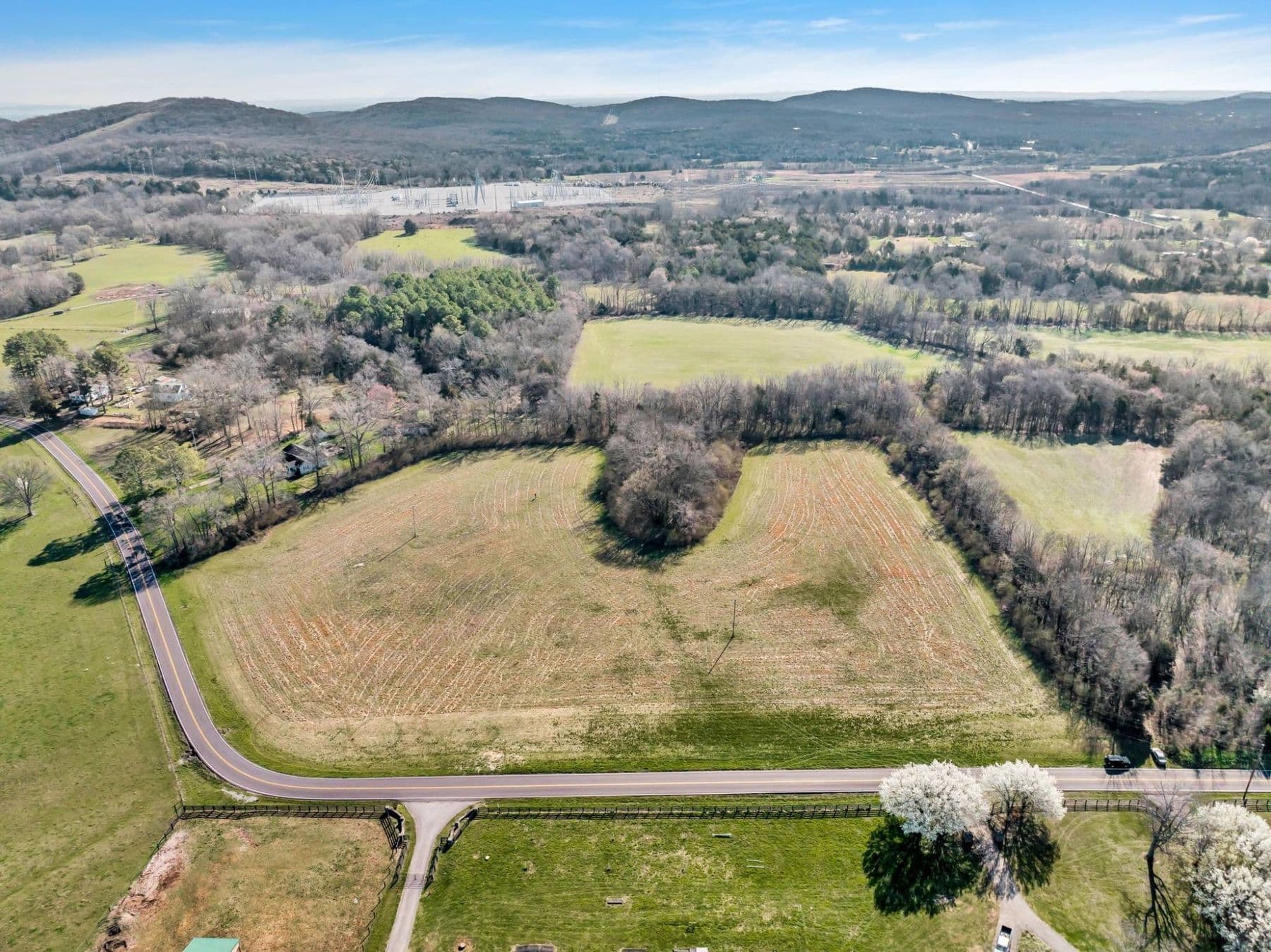
Brentwood is running out of raw land, so its new-construction market has split in two: a handful of final large communities (Witherspoon's phased build-out ran 2018 to 2025) and a steadily growing teardown-and-rebuild market on the city's older one-acre lots. For many buyers, the best "new home in Brentwood" is now a 1975 ranch you never intend to keep.
The logic is straightforward. The one-acre standard means every older home in the entry band sits on land that would be nearly impossible to assemble today. Teardown-rebuild activity has become common across the older lot inventory, most visibly in Brenthaven, Brentwood's classic 1968 to 1976 subdivision, where original homes have been replaced by custom builds ranging from about 4,300 to over 9,000 square feet. A roster of custom and semi-custom builders sources lots from willing sellers of original homes, and experienced agents now evaluate older Brentwood properties on two tracks: as-is renovation value and teardown-rebuild value.
If you are considering this route, three things matter more than the floor plan: the lot's topography and floodplain status (Brentwood enforces floodway and hillside restrictions that can shrink your buildable envelope), the zoning district and setbacks that govern what you can actually place on the land, and whether the street's rebuild momentum supports your finished value. This is one segment where representation genuinely changes outcomes. Ryan Boggs has spent 11+ years and 260+ closings in the Williamson County luxury market, and lot-value analysis on estate parcels is exactly the kind of underwriting a listing photo can't do for you.
When I evaluate an older Brentwood property with a client, we run it on two tracks from the first walkthrough: what the house is worth kept and renovated, and what the dirt is worth cleared. The trap I warn every teardown buyer about is assuming the acre they see from the street equals the acre they can build on. Setbacks, floodway lines, and hillside restrictions can quietly shrink the envelope, and that review has to happen before the offer, not during the architect's first meeting. Get the lot analysis right and the rest of the project tends to follow; get it wrong and no floor plan can save the math.
Thinking about buying land, building, or selling a lot with more value in the dirt than the house? Reach out for a no-pressure strategy conversation before you list or write an offer.