Most neighborhood guides open with charm. This one opens with numbers, because the numbers are the story: Thompson's Station has more than tripled in population since 2010, holds a meaningful price discount to Franklin, and is absorbing more new construction than almost anywhere else in Williamson County. Whether that combination reads as opportunity or as growing pains depends on what you're buying for. This guide covers both, honestly.
Williamson County's Fastest-Growing Town
Thompson's Station grew from 2,194 residents in 2010 to 7,485 at the 2020 Census, a gain of roughly 240% in a decade, and has kept climbing to an estimated 9,800+ in 2026, making it one of the fastest-growing municipalities in Tennessee.
Break that down and the pace is striking even by Middle Tennessee standards. Population estimates put the town's growth at about 30% just since the 2020 Census, with an annual growth rate around 4%, and at least one 2026 ranking names Thompson's Station the fastest-growing city in the state.
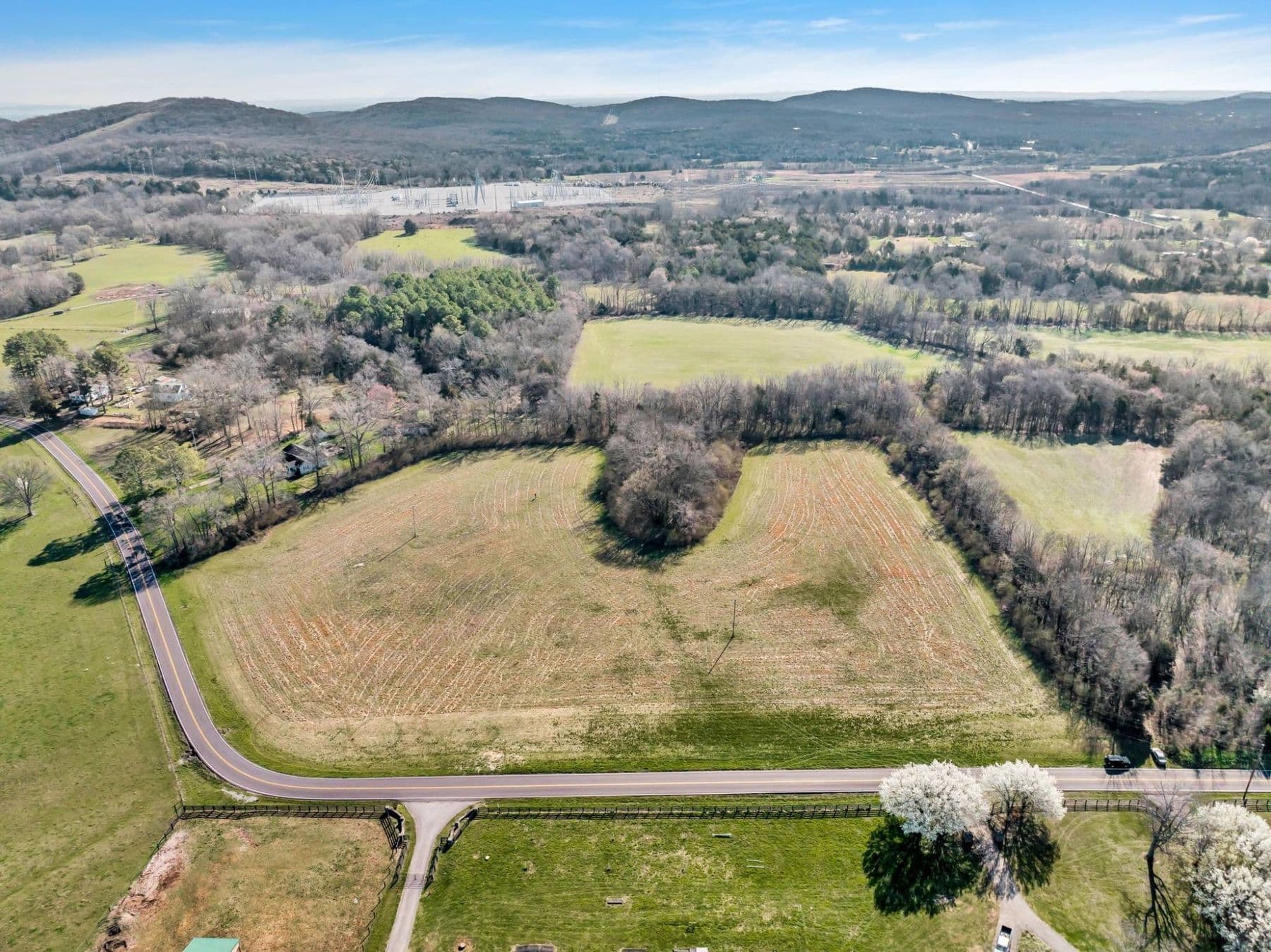
So what is Thompson's Station, exactly? It's a town of roughly 20 square miles wedged between Franklin to the north and Spring Hill to the south, straddling Columbia Pike (US-31) with I-65 running along its eastern edge. It incorporated in 1990 largely to control its own zoning, and for two decades it stayed a rural crossroads with a historic depot, a Civil War battlefield, and a lot of farmland. Then Williamson County's growth wave rolled south. Today Thompson's Station is where that wave is breaking: master-planned communities, active builders, and a town government visibly working to keep infrastructure ahead of rooftops.
For buyers, the growth story cuts two ways. On one hand, you're buying into the path of appreciation: the same trajectory Franklin rode twenty years ago and Spring Hill rode ten years ago. On the other, you're buying into a town whose roads, sewer capacity, and retail are still catching up to its population. Both halves of that sentence are true, and the rest of this guide takes them one at a time.
If you're weighing Thompson's Station against other south Williamson options, the broader moving to Williamson County guide puts this town in context with Franklin, Brentwood, Spring Hill, and Nolensville.
The Value Math: What Your Money Buys vs Franklin
The short version: Thompson's Station's overall median home price sits in the low-to-mid $800,000s in 2026, versus a median sale price around $925,000 in Franklin, a gap of roughly $100,000 or more for a comparable budget, and the gap widens further when you compare new construction on similar lot sizes.
Here's the more granular picture as of mid-2026:
- Thompson's Station: median home price around $812,500 overall; single-family homes at a median near $907,500, with condos and townhomes at a median around $570,000. Median listing prices hover near $950,000, reflecting the weight of new construction and larger homes in active inventory.
- Franklin: median sale price of approximately $925,000 across roughly 2,100 closed sales in the twelve months through June 2026.
- Price per square foot: third-party estimates vary too widely to be worth citing here. When you're comparing specific homes, ask for current MLS price-per-square-foot comps for 37179 versus the Franklin ZIP codes you're shopping.
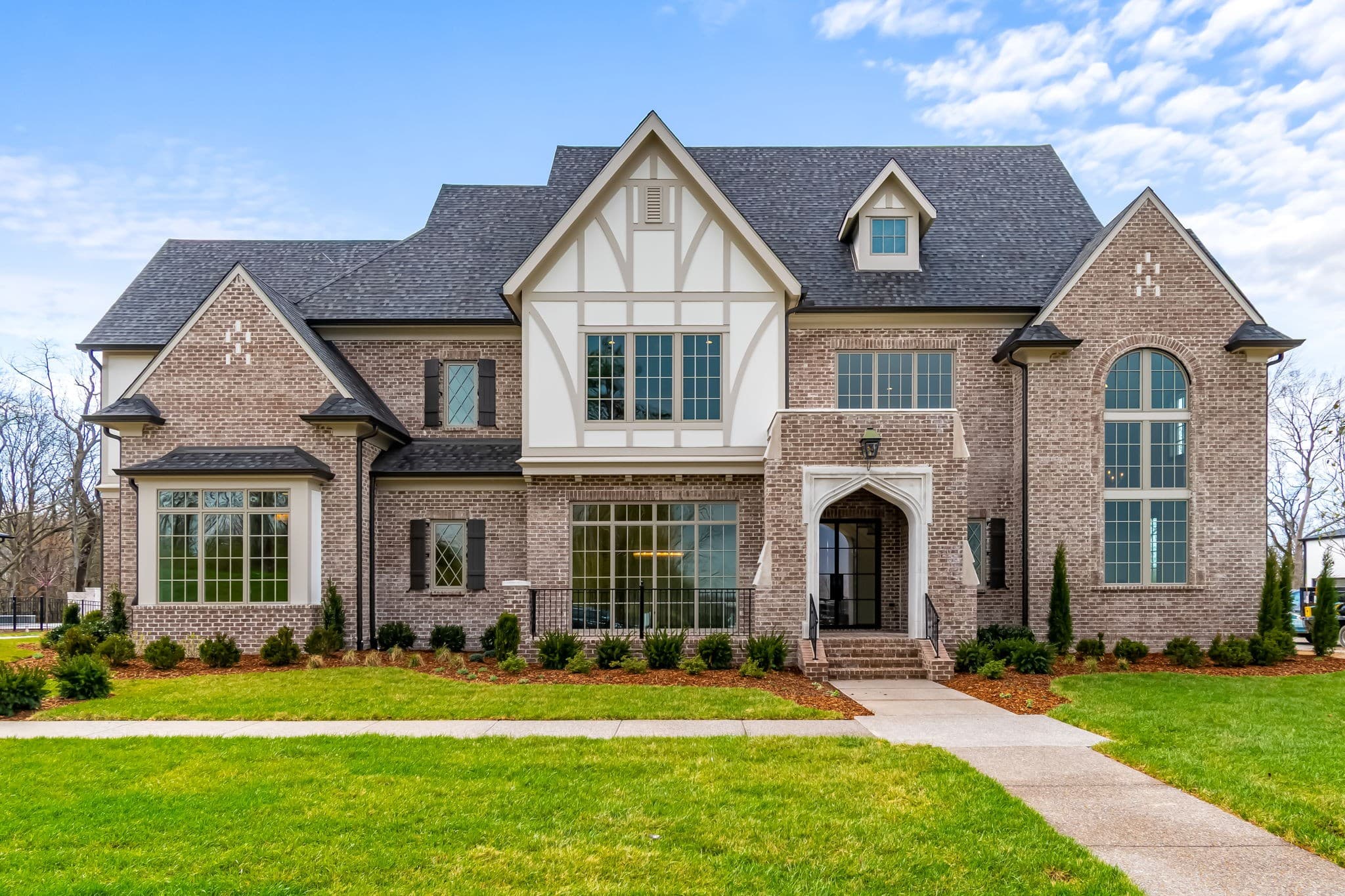
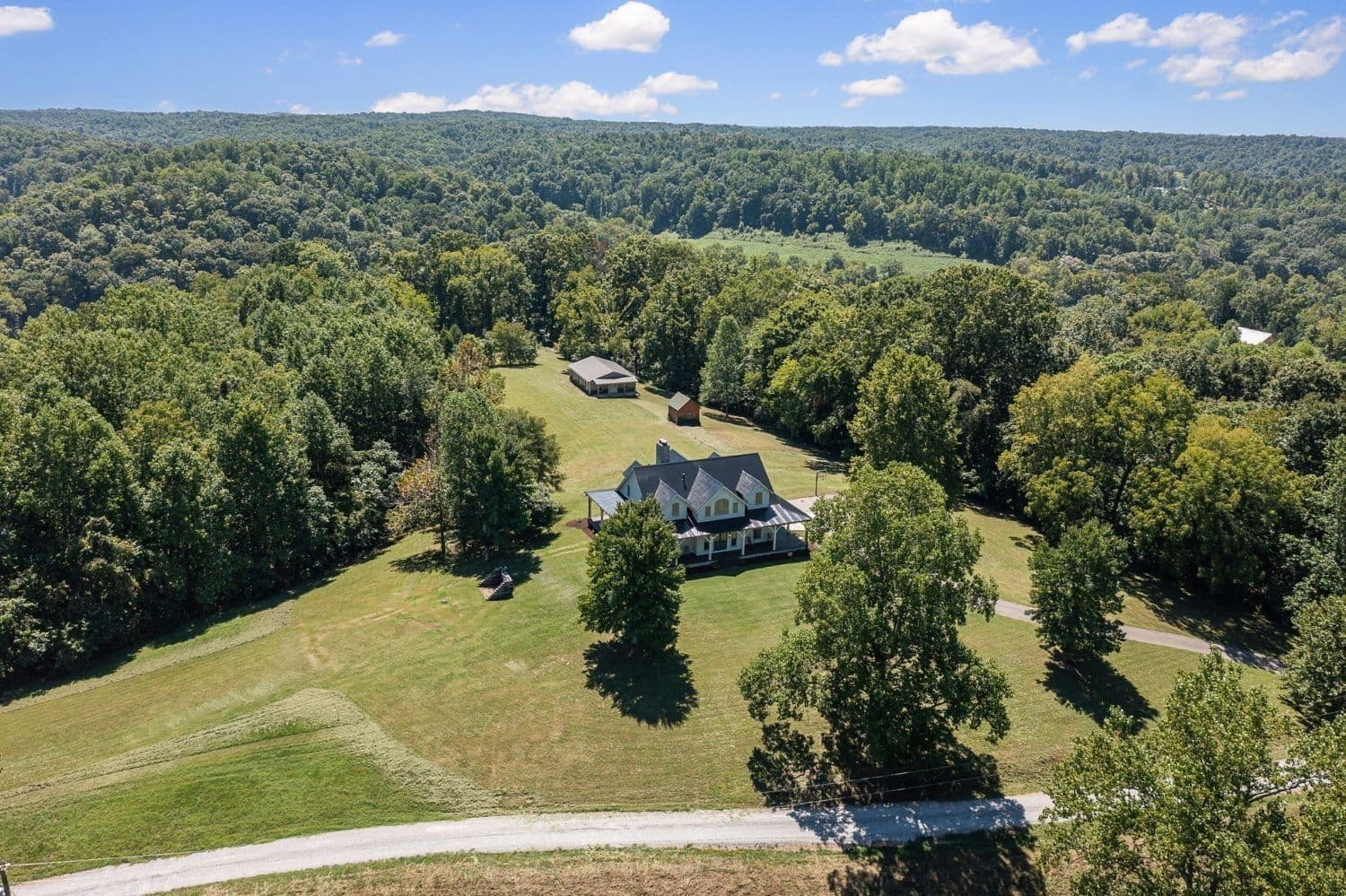
But medians undersell the practical difference, because what changes most at the same price point is the house. In Franklin, $900,000 in 2026 typically buys an established resale home, often needing updates, on a modest lot, or a townhome in a newer development. In Thompson's Station, the same $900,000 puts you into recent or brand-new construction in Tollgate Village or Fields of Canterbury, frequently with more square footage, a three-car garage, and community amenities like pools and trails included. Stretch to $1.2M–$1.7M and you're shopping Bridgemore Village and Whistle Stop Farms: homes of 3,000 to 6,000 square feet on larger homesites that would command well over $2M with a Franklin address.
The trade for that value is real: you give up Franklin's downtown, its mature retail, and 10–15 minutes of commute. Whether that trade makes sense is a personal calculation. The Franklin guide lays out the other side of it.
Side-by-side tours make this argument better than I ever could. I like to show buyers a Franklin resale and a Thompson's Station new build on the same afternoon at the same budget, because the difference in age, square footage, and lot shows up the moment we pull into the second driveway. The real decision isn't the house. It's whether Franklin's downtown and shorter commute are worth what you give up inside the front door.
One more piece of the value math: property taxes. Thompson's Station properties pay Williamson County taxes, and the town's municipal tax burden has historically been minimal, but verify the current combined rate against Franklin's city-plus-county rate for your specific purchase.
The Major Communities
Thompson's Station's housing stock is organized around a handful of master-planned communities, each with a distinct price band and personality, from Tollgate Village's walkable mixed-use core to Bridgemore Village's luxury estates. Here's how they break down.
Tollgate Village is the town's signature community and its closest thing to a downtown: a mixed-use development combining a town-center core with condos, townhomes, and single-family homes. Product ranges from studio condos around $250,000 up to estate homes near $1.47M; as of July 2026, active single-family listings averaged about $821,000, ranging from roughly $670,000 to $975,000. Amenities include a clubhouse, pool, trails, and commercial space (including medical and dining) woven into the neighborhood.
Bridgemore Village is the established luxury address, west of Columbia Pike. Homes run 3,000 to 6,000 square feet with an average price around $1.17M: larger lots, custom and semi-custom builds, and a resort-style amenity package.
Canterbury and Fields of Canterbury sit side by side and together form the town's best entry point into Williamson County. Fields of Canterbury offers single-family homes from the $470Ks and townhomes from the $415Ks, with two community pools; Canterbury townhomes have been selling between roughly $480,000 and $570,000, with a median around $523,000. For buyers priced out of Franklin who still want Williamson County Schools, this is the conversation-starter.
Whistle Stop Farms is Drees Homes' luxury community and the top of the new-construction market: recent sales ran from $1.27M to $1.7M with a median around $1.58M. This is where Thompson's Station competes directly with Franklin's $1M–$2M new-build market, on bigger homesites.
The newer wave includes Littlebury (Drees Homes, larger tree-lined homesites), Fairhaven (a gated Dream Finders Homes community), and townhome product at Mountain View near the I-65/June Lake Boulevard interchange, plus June Lake itself, the mega-development covered in the next section.
The New Construction Landscape
Thompson's Station is one of the most active new-construction markets in Williamson County in 2026, with Drees Homes, Dream Finders Homes, and Signature Homes all building, and price points running from the low $400Ks (townhomes) past $1.7M (luxury single-family).
The headline project is June Lake: a 775-acre master-planned development at the new I-65 Exit 55 (June Lake Boulevard), approved for roughly 2,900 homes, 3.9 million square feet of office, 1.3 million square feet of retail and restaurants, and 400 hotel rooms over a buildout expected to take two decades. The interchange is open; as of spring 2026, the 11-acre lake and surrounding town center (dining, retail, entertainment) were still under development, with Signature Homes among the active builders. June Lake sits at the Thompson's Station/Spring Hill boundary and is marketed under both towns' names. Confirm the actual jurisdiction, taxes, and school zoning for any specific address.
Beyond June Lake, the active picture in 2026 looks like this:
- Drees Homes: Littlebury (large homesites) and Whistle Stop Farms (luxury, $1.27M+)
- Dream Finders Homes: Fairhaven, a gated community with new floorplans introduced in 2026
- Signature Homes: June Lake's residential phases
- Townhome product: Fields of Canterbury (from the $415Ks) and Mountain View near the interchange
Two practical notes on buying new here. First, builder incentives and lot premiums swing meaningfully quarter to quarter in a market absorbing this much inventory. The sticker price is a starting point, not the number. Second, in a town where the resale market is still maturing, which community you buy into matters more for resale than which floorplan you pick.
Model homes are built to sell, so my job on those walkthroughs is to be the unromantic one. I push clients to ask what's standard versus upgraded in the room they're standing in, and to negotiate on incentives, closing costs, and lot premiums rather than expecting movement on base price. In a market absorbing this much inventory, that's where builders actually have room. Which lot and which community you choose will matter more at resale than any finish package.
Growing Pains: Infrastructure, Roads, and Services
Here's the honest part: Thompson's Station's infrastructure is behind its growth, and the town knows it: both of its wastewater systems are currently at capacity, Columbia Pike carries more than 20,000 cars a day on a two-lane alignment, and everyday retail still mostly means driving to Spring Hill or Franklin.
Sewer. The town operates two wastewater reclamation systems: the Heritage plant and the Regional plant (built in 2005, treating an average of about 375,000 gallons per day). Per the town, both systems are at capacity and will remain so until upgrades at the Regional facility are complete; the planned upgrade converts the plant to a membrane bioreactor (MBR) system with an expanded service area. In practice, sewer capacity has been a governor on how fast new projects can be approved and connected: a constraint worth understanding if you're buying a lot or betting on a specific development timeline.
Roads. Columbia Pike (US-31) is the town's spine and its chokepoint, with traffic volumes north of Thompson's Station Road already exceeding 20,000 vehicles per day. The good news: TDOT agreed to accelerate the Highway 31 widening project, four lanes with a landscaped median from Franklin south through Thompson's Station toward Spring Hill, moving preliminary engineering from 2029 up to 2026, with the town committing $15 million in local funds to make it happen. The realistic news: widening projects take years, and buyers in 2026 should assume Columbia Pike congestion at school and commute hours for the near term. The opening of the I-65 interchange at June Lake Boulevard (Exit 55) has meaningfully improved highway access on the east side of town.
Retail and services. Daily-needs retail inside town limits is thin relative to the population: most residents run errands in Spring Hill or the Cool Springs corridor. That's changing as Tollgate Village's commercial core fills in and June Lake's 1.3 million square feet of planned retail and restaurant space delivers, but "changing" is the operative word; buy for what exists today and treat the rest as upside.
Months after closing, the feedback I hear isn't about the commute buyers stress-tested. It's about the errands they didn't. Nobody asks during showings how far the grocery run is, and the Columbia Pike school-hour surge is invisible on a Saturday tour. That's why I tell every buyer to drive the town on a weekday, at their real hours, before they fall for a floor plan.
Parks and Town Character
For a town its size, Thompson's Station's park system punches far above its weight: roughly 185 acres across three major parks, anchored by 96-acre Sarah Benson Park in the town's center.
Sarah Benson Park (96 acres) is the community's living room: playground, two pavilions, playing fields, outdoor workout equipment, several miles of walking paths, and a dog sensory garden. It's named for an alderwoman who served 25 years on the town board, and it hosts the town's signature seasonal events, including Holiday at the Station, the annual tree-lighting celebration with live music, food trucks, and kids' activities.
Preservation Park (63 acres) is the historic one: its land is tied to the 1863 Battle of Thompson's Station, with Battlefield Trail markers developed with the Tennessee Civil War National Heritage Area. It's the quieter, more contemplative counterpart to Sarah Benson.
Heritage Park (about 26 acres) is the sports hub: four baseball fields, four soccer fields, and a football field, plus a preserved 1800s homestead that operates as a living museum.
The character question buyers ask is whether Thompson's Station still feels like a small town. The honest answer: yes, at the center (the historic depot, the parks, the events calendar), and less so at the edges, where the construction is. The town's comprehensive planning (including an updated growth plan and urban growth boundary) is an explicit attempt to keep that center intact while growth happens around it.
Commute Math from Thompson's Station
Plan on about 15 minutes to Cool Springs, 35–45 minutes to downtown Nashville off-peak (45–60 in rush hour), and a short hop south to Spring Hill's GM plant. Thompson's Station is a genuinely easy commute to south Williamson job centers and a real commitment to downtown Nashville.
The breakdown:
- Cool Springs / Franklin office corridor: about 15 minutes in light traffic via I-65 or Columbia Pike. This is the commute most Thompson's Station residents actually make, and it's the town's strongest commuting argument.
- Downtown Nashville: 35–45 minutes off-peak, 45–60 minutes in morning or evening rush via I-65. If you're downtown five days a week, feel that number honestly before you buy.
- GM Spring Hill plant: the plant, an employment anchor with 3,400+ hourly workers and over $4 billion invested, sits just south along the Highway 31 corridor, a quick run from most Thompson's Station neighborhoods; check the drive from your specific neighborhood at shift-change hours.
Two variables move these numbers: which side of town you live on (east-side communities near Exit 55 have a cleaner I-65 on-ramp than west-side neighborhoods funneling through Columbia Pike), and the school-hour surge on Columbia Pike. Test-drive your actual commute at your actual hour before closing. It's the cheapest due diligence you'll ever do.
After 11+ years and 260+ closings across Williamson County, Ryan Boggs has walked buyers through this exact Franklin-versus-Thompson's-Station math more times than he can count. If you want a straight answer on which side of the trade fits your situation, reach out. And if you're weighing a move from an existing Williamson County home, start with a home valuation to see what your current equity buys you here.