What Leiper's Fork Actually Is
Leiper's Fork is an unincorporated rural village in southwestern Williamson County, Tennessee, about 650 residents on roughly 1,100 acres, with a historic core listed on the National Register of Historic Places. It is not a city, not a subdivision, and not technically part of Franklin, though most of the village shares a Franklin ZIP code.
The village sits along the old Natchez Trace, the travel route used by Native Americans and early settlers, and the modern Natchez Trace Parkway runs right past it. The area was settled in the late 1700s by Revolutionary War land-grant families from North Carolina and Virginia; Thomas Hart Benton, later a U.S. Senator from Missouri, lived here as a young man. The community was called Hillsboro for decades, which is why the local school is still Hillsboro Elementary/Middle, and took the Leiper's Fork name from the creek when its post office opened in 1818.
The Leipers Fork Historic District, an 18-acre core of late-19th-century village architecture, was added to the National Register in 1998. That listing, plus a county-adopted Leiper's Fork Village Special Area Plan guiding land use around the village, is a big part of why the place still looks the way it does.
Why is it unlike anywhere else near Nashville? Because almost everywhere else within 30 miles of downtown has been subdivided. Leiper's Fork hasn't. That absence is deliberate: a combination of conservation easements, rural zoning, and long-tenured landowners has kept the countryside around the village in large tracts. The result is something genuinely rare in a metro of two million people: a working rural landscape with a real village at its center, twenty minutes from one of the wealthiest suburban counties in America.
The Village: Galleries, Music, and Puckett's
The village core is a few hundred yards of Old Hillsboro Road holding a legendary music venue, serious art galleries, restaurants, and shops: a full cultural life compressed into a crossroads. This is what people mean when they say Leiper's Fork is "a place," not just pretty land.
The anchor is the old country store most people still call Puckett's. The building's story runs deep: Jack Fox and Martin Locke opened their store in 1947, it moved to its current spot in 1955, and the Puckett family bought and renamed it in 1960. In 2022, it returned to its original name, Fox & Locke, and it remains both a Southern comfort-food restaurant and one of the most beloved small music rooms in Tennessee. Its Thursday open mic night (6:30–9:30 p.m.) has long been treated as an audition for Nashville itself; you may hear a future headliner between bites of meatloaf. (The Puckett's Grocery brand, meanwhile, lives on in downtown Franklin and Nashville.)
The galleries are not tourist-trap afterthoughts. Leiper's Creek Gallery, David Arms Gallery, and The Copper Fox, the latter housed in a restored 1860s home and representing over 90 artisans, sit within steps of Fox & Locke. Add restaurants, antique stores, and inns, and the village supports a rhythm of its own: gallery crawls, songwriter nights, the November turkey shoot, and the "Almost Famous" Leiper's Fork Christmas Parade every December, a procession of animals, classic cars, and pure country whimsy.
When I bring buyers out here, I try to time the tour around a meal or a show at Fox & Locke, because no listing sheet explains this place the way an hour in that room does. You'll see farmers, gallery owners, and the occasional touring musician sharing tables like they've known each other for years, and most of them have. That's the thing I want people to feel before we ever talk price.
The community rhythm matters for buyers because it's the amenity. There's no clubhouse, no pool, no HOA calendar. What Leiper's Fork offers instead is a village where the person next to you at open mic night might own the 200 acres behind your property, and has for three generations.
Estates and Land: What Property Costs Here
Leiper's Fork is the most expensive rural market in Middle Tennessee: recent data shows a median home sale price around $3.1 million, with active listings ranging from about $1.4 million to $35.9 million. If your budget is under seven figures, this market will be a difficult fit, and it's worth being honest about that up front.
Here's how the market breaks down:
- Village and smaller-acreage homes. The occasional historic cottage or home on a few acres trades at the lower end: recent entry points have started around $1.4M.
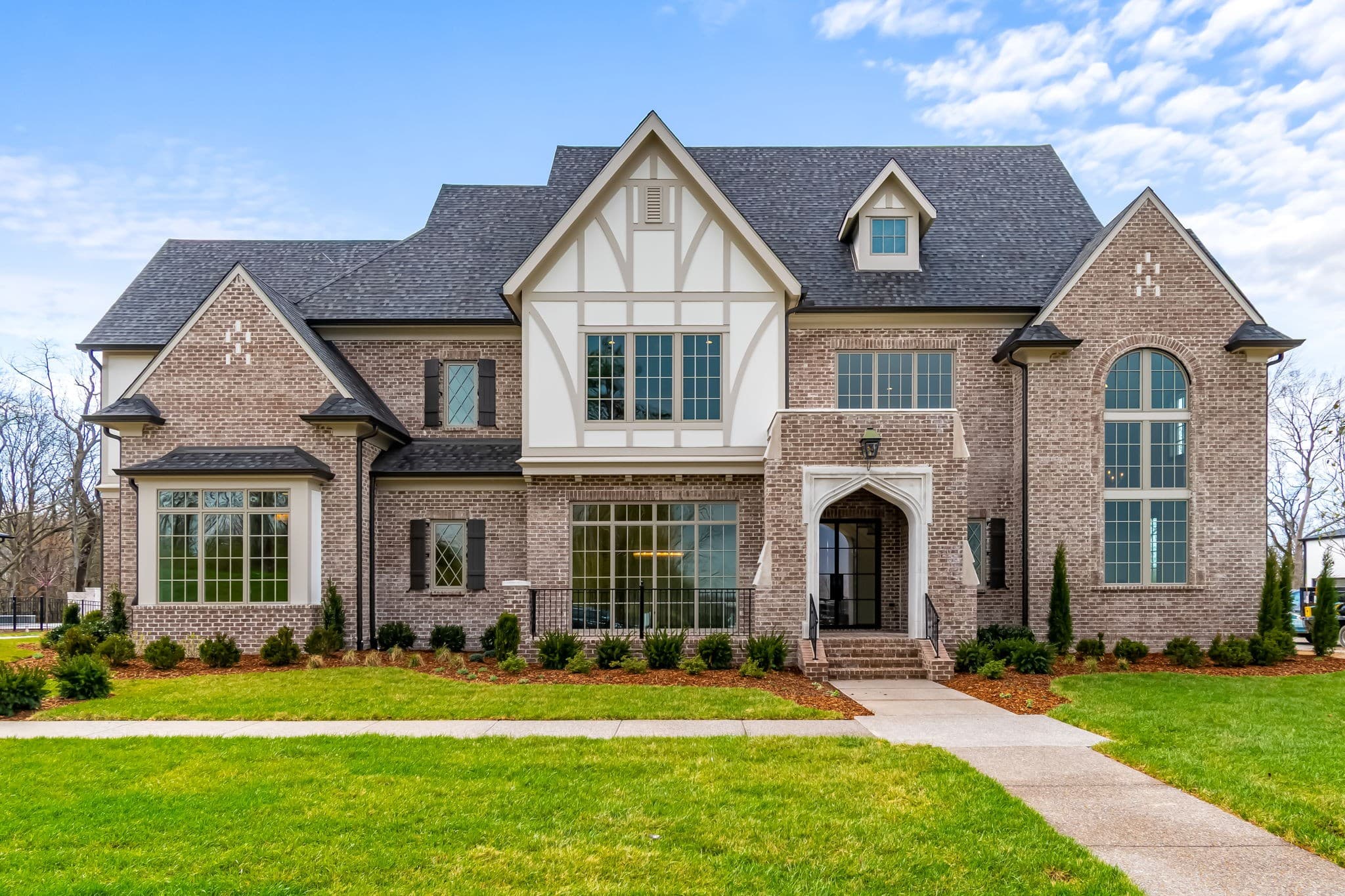
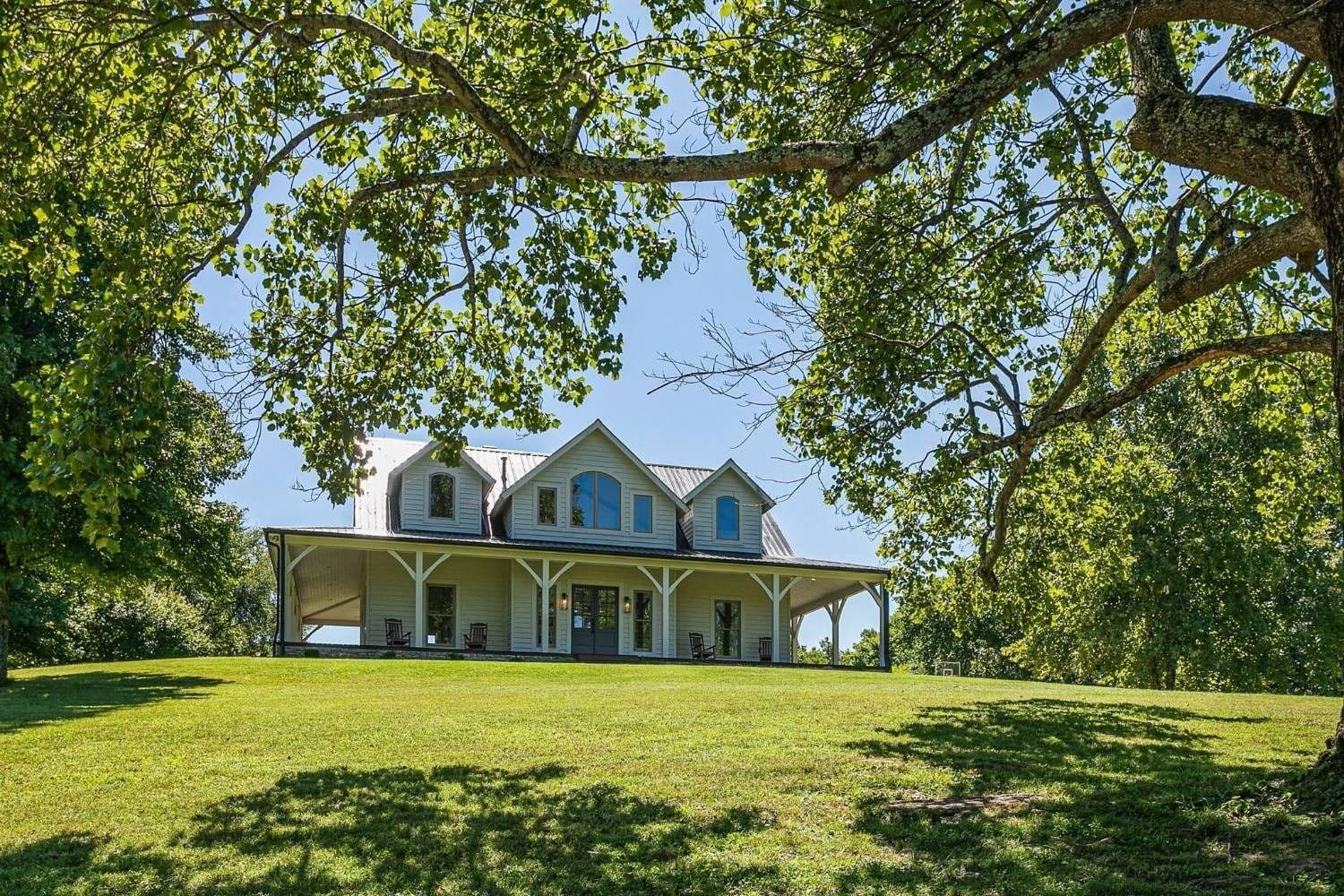
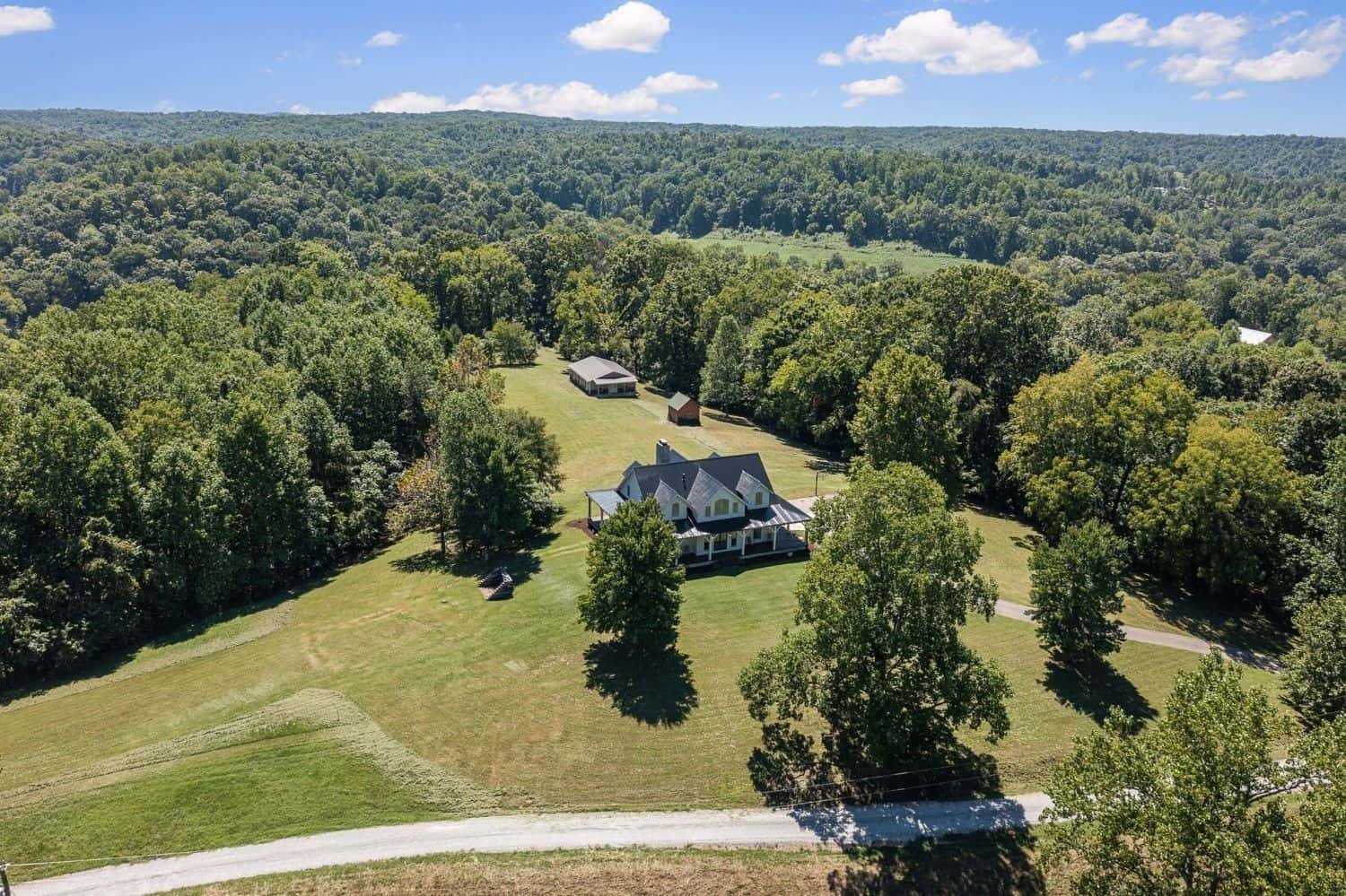
- Estates. Custom homes on 10–50+ acres dominate the market, typically $3M–$10M depending on acreage, improvements (barns, guest houses, pools, riding facilities), and proximity to the village. Median sale prices in the low $2M–$3M range reflect this mix.
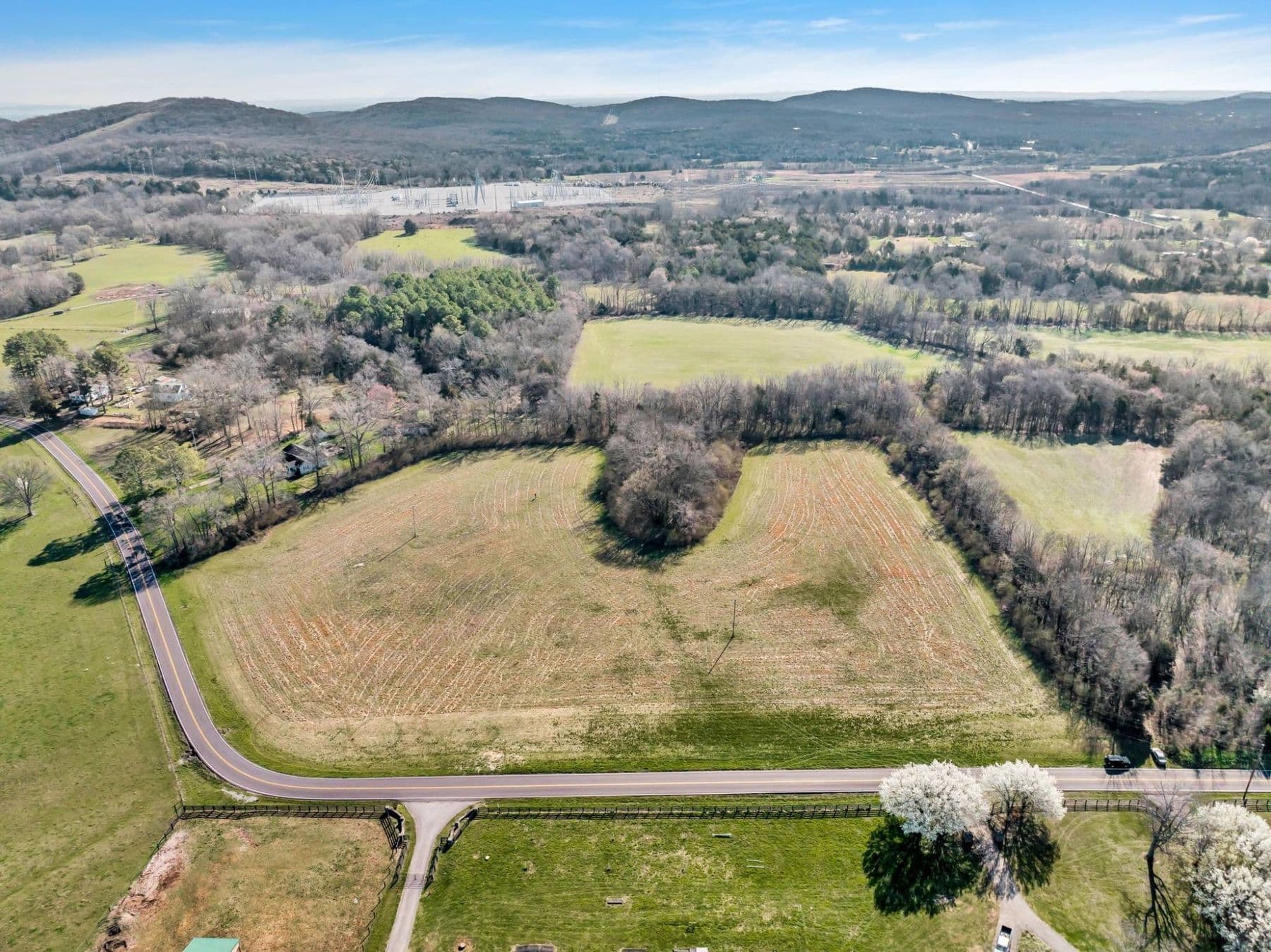
- Land. Raw and improved land is its own market. One mid-2026 snapshot showed roughly 8 active land listings averaging about $4.9M, from around $700K at the low end to $14.5M at the top. Inventory thin shifts month to month, so treat any snapshot as a point-in-time read rather than a standing count.
Price-per-acre is where buyers get disoriented, because it swings enormously. Recent sold data shows per-acre figures ranging from roughly $50,000/acre for larger back-country tracts to well over $300,000/acre for small, prime parcels near the village. The variables are the usual rural ones (road frontage, topography, soil quality, water) plus one that's unique here: proximity to the village core and the Natchez Trace viewshed.
Homes also move slowly by county standards, averaging around 94 days on market. That's not weakness. It's a thin market of unique properties finding specific buyers. Significant properties here also sometimes change hands quietly before ever hitting the MLS, which is one reason working with an agent plugged into this market matters more here than almost anywhere else in the county.
What catches most buyers off guard at their first estate showing here isn't the house. It's the land. Photos flatten this countryside; standing on a ridgeline with the Natchez Trace viewshed in front of you is a different experience entirely, and I've watched buyers recalibrate their whole search in that moment. It's also why I tell people not to rule a property in or out until they've walked it.
If you own here and are curious what the current market would say about your property, a professional valuation is a better starting point than any algorithm: automated estimates perform notoriously badly on unique acreage.
Buying Land in Leiper's Fork: What Due Diligence Looks Like
Buying land here means buying rural infrastructure: nearly every property runs on a private well and septic system, and your contingency period needs to verify both, plus zoning, easements, and access, before you close. This is the part of the transaction where Leiper's Fork differs most from the rest of Williamson County, and where an agent who regularly handles land earns their keep.
Water and sewer. There is no municipal sewer in Leiper's Fork, and most properties outside the immediate village rely on wells or utility-district water lines plus on-site septic. Before you can build, the Williamson County Health/Sewage Disposal office must approve a subsurface sewage disposal (septic) permit, which typically requires a high-intensity soil map of the property; depending on soil absorption rates, a traditional percolation ("perc") test may or may not be required. The practical takeaway: a beautiful 20-acre tract with poor soils may only support a modest system, or none at all in your preferred building site. Never waive a soils contingency on unimproved land.
Zoning. Rural Williamson County land around Leiper's Fork generally falls under low-density rural zoning; in the county's RD-5 (Rural Development) district, the baseline minimum lot size for a conventional residential lot is five acres. Individual parcels vary, though, so verify the zoning district for any specific tract with Williamson County Planning. The Leiper's Fork Village Special Area Plan adds another layer of land-use guidance around the village core itself. If your plan involves subdividing, adding a guest house, or running an equestrian or event business, confirm what the zoning actually allows before you write an offer.
Conservation easements. The Land Trust for Tennessee has a major presence here: its very first conservation easement, completed in 1999 with Leiper's Fork Foundation founder Aubrey Preston, protects 224 acres of pastureland along the Natchez Trace Parkway, and the organization has since partnered with more than 15 area landowners to protect over 2,500 acres around Leiper's Fork. An easement runs with the land forever: it may prohibit subdivision, cap the number or size of structures, or restrict commercial use. Some buyers see that as a burden; others see it as a guarantee that the view they're paying for can never sprout a subdivision. Either way, you need to read the actual easement document, not a summary, during due diligence.
Access and the unglamorous rest. Confirm legal access (some tracts rely on deeded easements over neighbors' land), flood zones along Leiper's Creek, utility availability for power and fiber, and any cemetery or historic-structure encumbrances. This is 200-year-old settled land, and surprises happen.
The pattern I see repeat in rural deals is simple: the problems are almost never in the house, they're in the dirt and the documents. Soils that won't support the system a buyer's plans assume, or an easement clause nobody read closely, can reshape a deal late if the homework wasn't front-loaded. That's why I build the soils work and a full read of any easement into the contingency period on every land contract, before anyone is emotionally or financially committed.
Why Inventory Stays Scarce
Leiper's Fork inventory is structurally scarce, not cyclically tight, because three forces permanently limit supply: conserved land that can never be subdivided, generational owners who rarely sell, and high-profile demand that absorbs what little comes to market.
Conservation removes supply forever. Those 2,500+ protected acres around the village aren't waiting for a hot market. They're legally off the table for development, permanently. Individual easements keep adding to the total, including one 510-acre easement southwest of the village that ranked among the Land Trust's largest. Every conserved acre makes the remaining unrestricted acres more valuable.
Generational ownership slows turnover. Much of the surrounding farmland has been held by the same families for generations, and land that has been in a family for a century doesn't respond to market prices the way a five-year-old tract home does. Sales often happen through relationships and estate transitions, not listings.
High-profile demand absorbs the rest. Leiper's Fork has long attracted music and entertainment figures: Justin Timberlake purchased a 126-acre parcel here in 2015 within the conservation-minded community around Aubrey Preston's holdings, and later partnered with the Land Trust for Tennessee on its protection. When buyers with effectively unlimited budgets compete for a handful of annual sales, prices ratchet upward and rarely retrace.
The result: this is a market where patience and preparation beat urgency. The right property may take a year to surface, and when it does, prepared buyers win.
The Trade-Offs: Commutes and Conveniences
The honest trade-off: Leiper's Fork is about 12–15 minutes from downtown Franklin but 40 to 60 minutes from downtown Nashville, and daily conveniences (groceries, pharmacies, gyms) all require a drive into Franklin. You're buying distance on purpose; make sure you actually want it.
Real-world drive times:
- Downtown Franklin: roughly 8–10 miles via Old Hillsboro Road (TN-46), typically 12–15 minutes.
- Cool Springs (I-65 corridor offices, Whole Foods, mall): roughly 12–14 miles; the trip depends heavily on Franklin traffic, so check live drive times at your actual commute hour.
- Downtown Nashville: about 26–33 miles; roughly 40 minutes in light traffic and commonly 45–60 minutes in practice.
- Nashville International Airport (BNA): longer than the downtown Nashville run, since the route crosses the metro. Check live drive times at your planned departure hour before relying on it for flights.
The scenic route matters too: the Natchez Trace Parkway is gorgeous but speed-limited; most commuters use TN-46 to Franklin and pick up I-65 or Mack Hatcher from there.
On conveniences: there is no supermarket, big-box store, or chain pharmacy in Leiper's Fork. The village's commercial life is restaurants, galleries, antiques, and inns. Grocery runs mean Franklin. Kids attend Williamson County Schools: Hillsboro Elementary/Middle sits right in the community, with the old 1931 school building now serving as the Hillsboro-Leiper's Fork Community Center, county library branch included. Cell coverage and internet service vary by hollow; fiber has reached much of the area, but confirm availability with providers for the specific property, not the ZIP code.
None of this is a complaint. It's the price of the view. But buyers who've only lived in neighborhoods with a Publix five minutes away should spend a full day here, including the drive home at 5:30 p.m., before committing.
Who Should, and Shouldn't, Buy in Leiper's Fork
Leiper's Fork fits buyers who want significant land, privacy, and a genuine community, and who have both the budget (realistically $1.5M+, comfortably $3M+) and the temperament for rural infrastructure. It does not fit buyers who want convenience, turnkey simplicity, or a conventional path to resale liquidity.
You're a strong fit if: you want acreage measured in tens of acres, not fractions; you value privacy but not isolation, since the village gives you neighbors, music, and dinner without a gate code; you're comfortable owning a well and septic system (or hiring people who are); you can move decisively when a rare property surfaces; and you see conservation restrictions as protection rather than limitation.
Think twice if: your life runs on daily conveniences and short errands; you need to be in a Nashville office five days a week; your budget tops out below seven figures; or you want a property you can resell quickly: thin markets cut both ways, and 94-day average market times apply to sellers too.
If you love the estate-and-land idea but want a different flavor (newer construction, larger builder estates, and land in the southeastern part of the county near I-840), College Grove is the county's other serious land market and worth comparing side by side. And if you'd rather have walkability, historic streets, and city services with your Williamson County address, start with our Franklin, TN guide instead.
Ryan Boggs has spent 11+ years and 260+ closings in Williamson County's luxury market, with a particular focus on estate and land transactions where soils reports, easement documents, and off-market relationships decide outcomes. If you're considering Leiper's Fork, whether buying, selling, or just trying to understand what your land is worth, reach out for a conversation before you need to move fast. In this market, preparation is the advantage.